
Top Trends in Medical Education and Their Impact


Embracing Technology in Medical Education
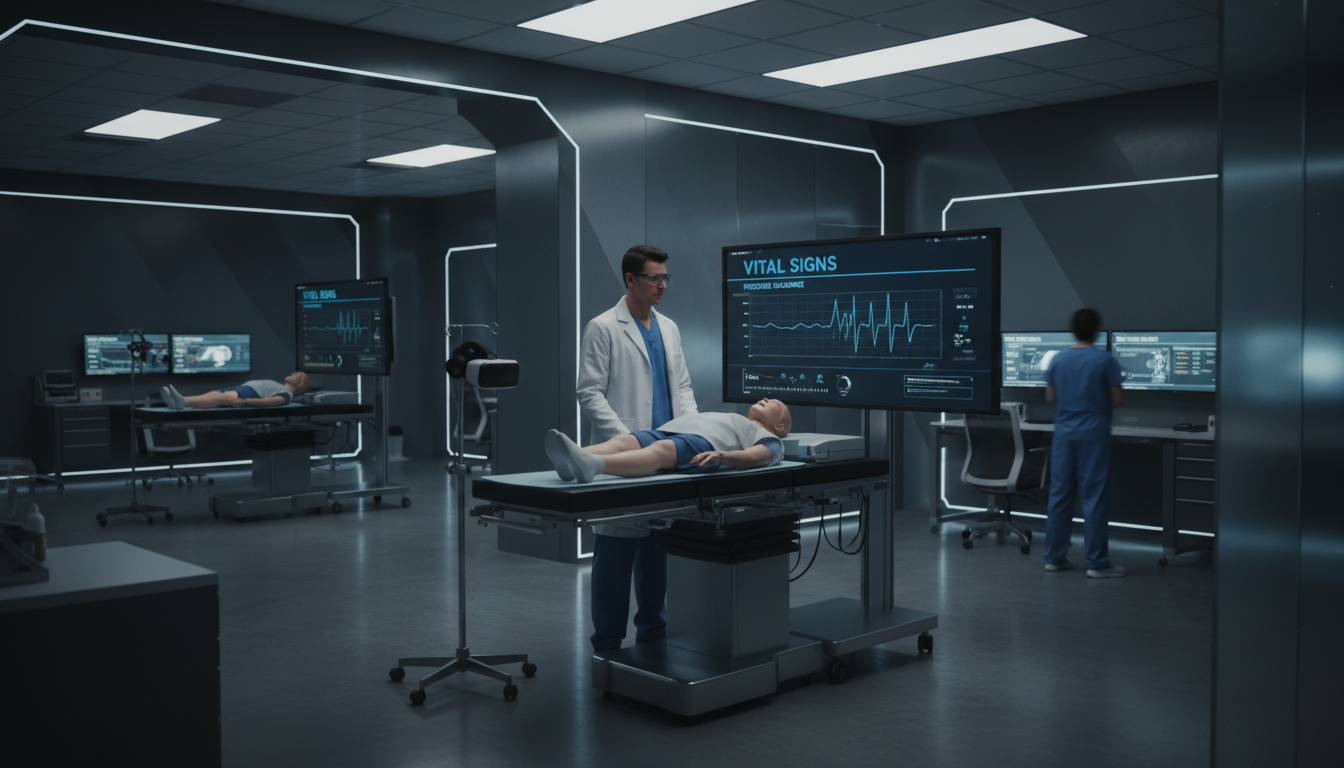
The integration of technology in medical education has become a game-changer. From virtual reality simulations to online learning platforms, technological advancements are reshaping how medical students learn and practice. These tools provide immersive experiences that enhance understanding and retention of complex medical concepts.
Virtual reality (VR) and augmented reality (AR) are particularly popular, offering students the chance to practice surgical procedures in a risk-free environment. This hands-on experience is invaluable, allowing students to refine their skills before entering real-world scenarios.
Online Learning and Flexibility
With the rise of digital platforms, medical education is becoming more accessible and flexible. Online courses and webinars enable students to learn at their own pace, accommodating different learning styles and schedules. This flexibility is crucial for students juggling multiple responsibilities.
Moreover, e-learning platforms often provide a wealth of resources, such as interactive modules and video lectures, that can be accessed anytime, anywhere. This access to diverse materials enriches the learning experience and helps students stay up-to-date with the latest developments in the field.
Interdisciplinary Approaches and Collaboration
Modern medical education emphasizes interdisciplinary learning, encouraging collaboration between different fields of study. This approach nurtures a comprehensive understanding of patient care and fosters teamwork among future healthcare professionals.
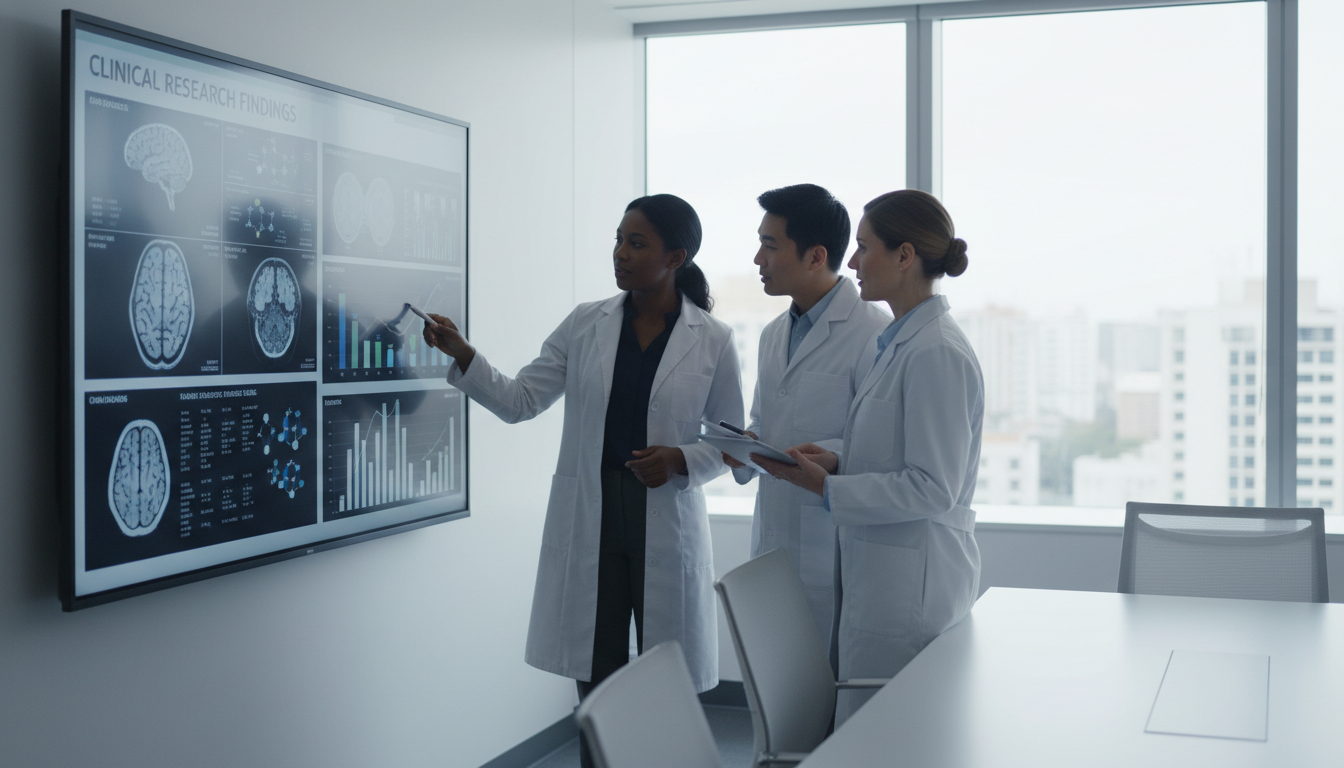
Collaborative projects and problem-based learning scenarios are becoming more common in medical curricula. These experiences prepare students for real-world situations where they must work alongside professionals from various disciplines, ensuring holistic patient care.
Focus on Mental Health and Well-being
There is a growing recognition of the importance of mental health and well-being in medical education. Institutions are increasingly incorporating wellness programs and support systems to help students manage stress and prevent burnout.
Workshops on mindfulness, stress management, and resilience training are becoming standard offerings. By prioritizing mental health, medical schools aim to produce well-rounded professionals who are equipped to handle the pressures of the healthcare environment.

Data-Driven Decision Making
The use of data analytics in medical education is enhancing decision-making processes. By analyzing performance metrics and feedback, educators can tailor teaching methods to better suit the needs of students. This personalized approach ensures that learners receive the support they need to succeed.
Data-driven insights also help identify areas where students may be struggling, allowing for timely interventions and targeted support. This proactive approach leads to improved outcomes and a more efficient educational experience.
The Future of Medical Education
As these trends continue to evolve, the future of medical education looks promising. The integration of technology, interdisciplinary collaboration, and a focus on mental health are all contributing to a more effective and supportive learning environment.
By embracing these changes, medical education is not only adapting to the needs of today's students but also preparing them for the challenges of tomorrow's healthcare landscape.