Top Trends in Medical Education: Preparing for the Future


Technological Integration in Medical Education
The integration of technology into medical education is revolutionizing how future healthcare professionals are trained. With the advent of virtual and augmented reality, students can now practice procedures and learn anatomy in a more interactive and immersive environment. These technologies allow for repeated practice in a risk-free setting, enhancing the learning experience.
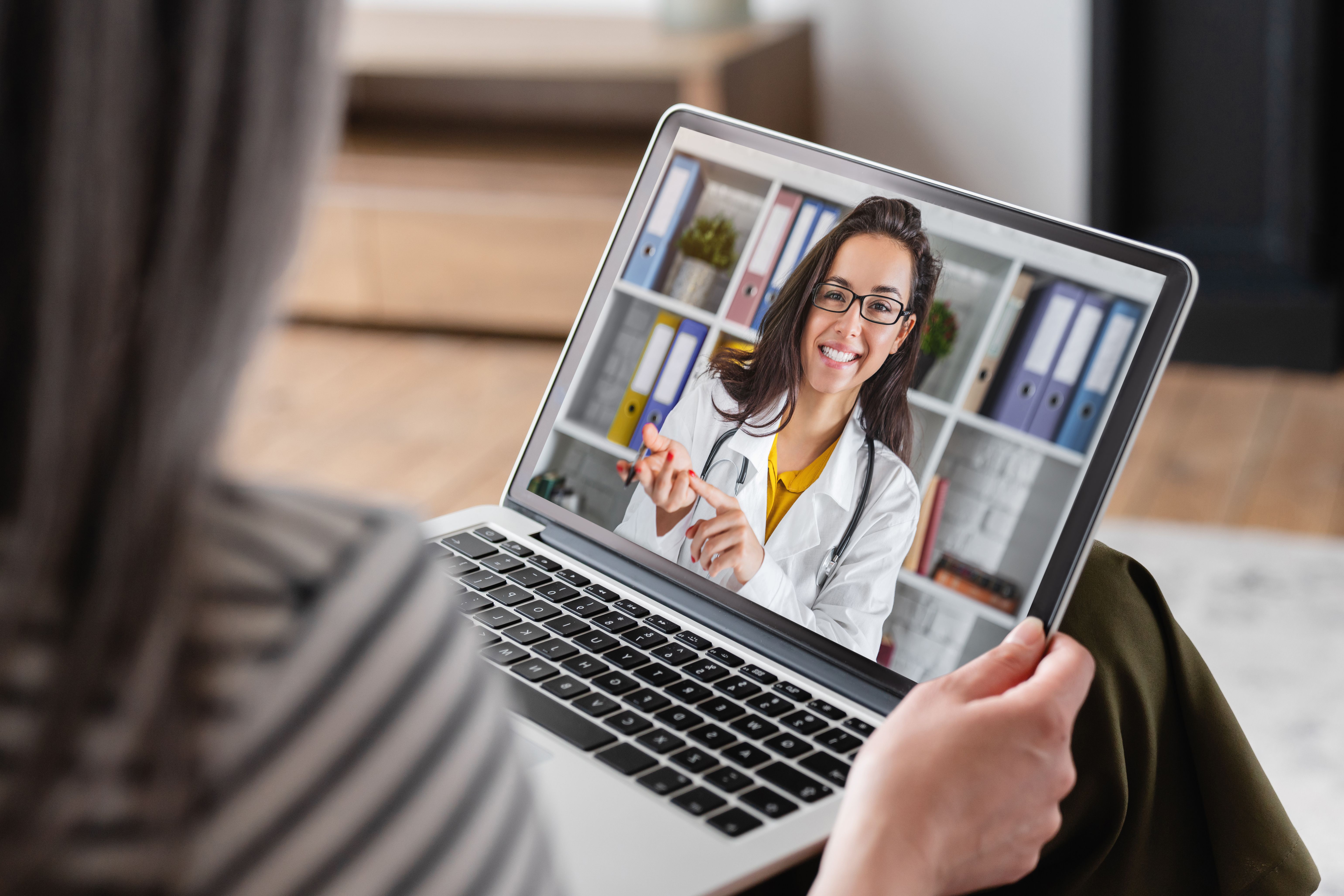
Additionally, online platforms and mobile applications are providing students with access to a vast array of resources and learning materials. These tools facilitate flexible learning, enabling students to study at their own pace and revisit complex topics as needed.
Simulation-Based Learning
Simulation-based learning is another trend gaining traction in medical education. High-fidelity simulators offer students hands-on experience in a controlled environment, allowing them to develop critical skills without the potential for real-world consequences. This method is particularly beneficial for training in emergency medicine and surgical procedures.
The use of standardized patients—actors trained to portray real-life medical conditions—further enhances this experiential learning process. Students can practice their communication and diagnostic skills, receiving immediate feedback to improve their clinical competence.

Interprofessional Education
Interprofessional education (IPE) is becoming increasingly important as healthcare moves towards a more collaborative model. By training students from different medical disciplines together, IPE fosters teamwork and communication skills essential for effective patient care.
Through IPE, medical, nursing, pharmacy, and allied health students learn to appreciate each other's roles, leading to better coordinated and patient-centered care. This approach not only benefits students but also improves healthcare outcomes.
Personalized Learning Approaches
Personalized learning approaches are transforming medical education by tailoring the learning experience to meet individual student needs. Data analytics and artificial intelligence are being utilized to create customized learning paths, ensuring that students receive the right support and resources at the right time.

This trend acknowledges the diverse background and learning styles of students, promoting a more inclusive and effective educational environment. By focusing on individual strengths and weaknesses, personalized learning helps students achieve their full potential.
Focus on Mental Health and Wellbeing
Recognizing the high-pressure nature of medical training, there is a growing emphasis on mental health and wellbeing. Medical schools are incorporating programs and resources aimed at supporting students' mental health, helping them manage stress and build resilience.
This shift is crucial in preparing students for the emotional demands of healthcare professions, ultimately leading to more compassionate and effective practitioners.