
The Impact of Technology on Medical Education


Revolutionizing Medical Education
The integration of technology into medical education has transformed the way future healthcare professionals are trained. From virtual reality simulations to online learning platforms, technology is reshaping the educational landscape, making it more accessible and efficient.
Virtual Reality and Simulation
Virtual reality (VR) and simulation technologies offer immersive learning experiences that were once unimaginable. Medical students can now practice surgical procedures in a risk-free environment, allowing them to hone their skills without the fear of harming real patients. These tools provide realistic scenarios that enhance learning and improve confidence.
Furthermore, VR simulations can replicate rare medical conditions, giving students exposure to a variety of clinical situations. This broadens their understanding and prepares them for real-world challenges. The ability to repeat procedures until mastery is achieved is a significant advantage of these technologies.
Online Learning Platforms
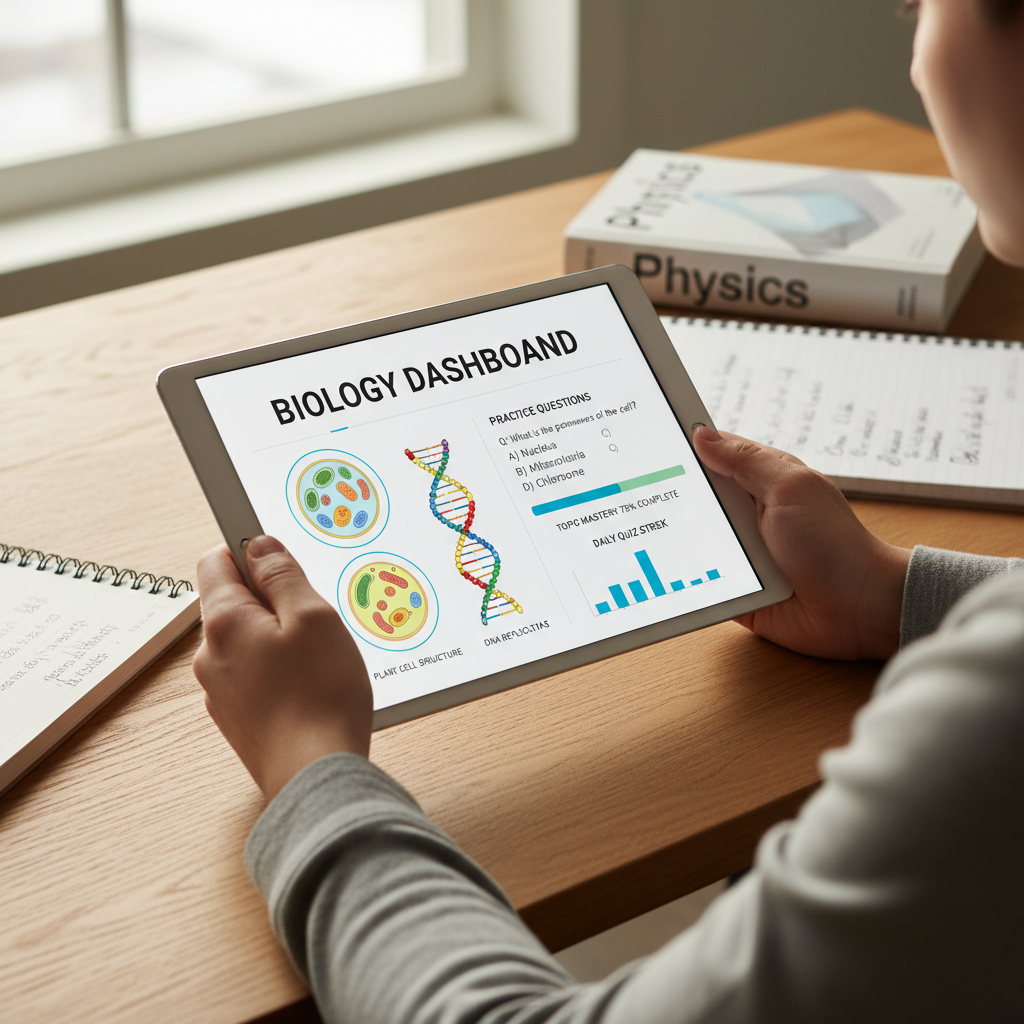
The advent of online learning platforms has democratized access to medical education. Students from around the world can now enroll in courses offered by prestigious institutions, breaking geographical barriers. These platforms provide a wealth of resources, including video lectures, interactive quizzes, and discussion forums.
Online platforms also offer flexibility, allowing students to learn at their own pace. This is particularly beneficial for those who might be balancing education with other responsibilities. The ability to revisit lectures and materials enhances comprehension and retention.
Artificial Intelligence in Education
Artificial intelligence (AI) is playing an increasingly important role in medical education. AI-driven analytics can assess student performance and provide personalized feedback, helping educators tailor their teaching methods to individual needs. This targeted approach ensures that students receive the support they need to succeed.
Moreover, AI can simulate patient interactions, allowing students to practice diagnostic skills and decision-making processes. This prepares them for patient-facing roles and enhances their problem-solving abilities.

Remote Collaboration and Networking
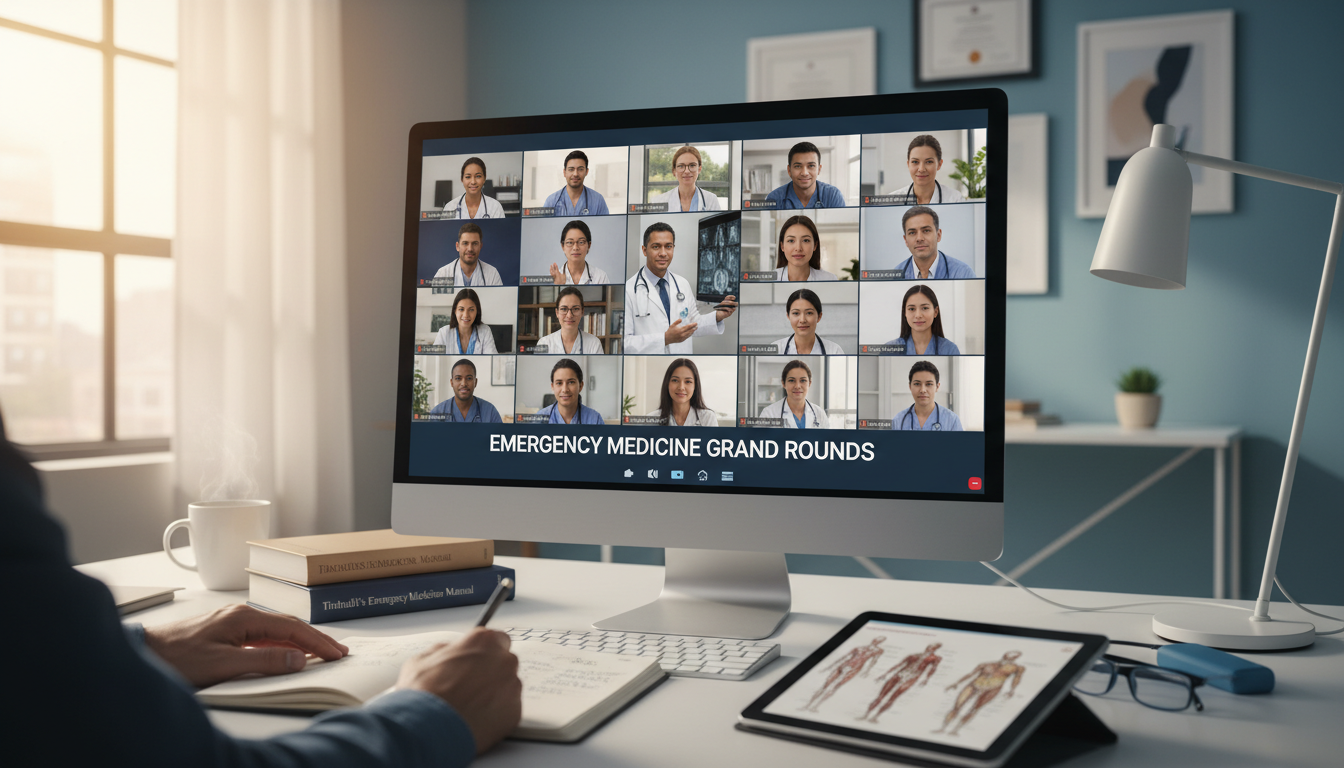
Technology has also facilitated remote collaboration and networking among medical professionals. Virtual conferences and webinars enable students and educators to connect with peers and experts globally. This exchange of knowledge and ideas fosters innovation and keeps the medical community informed about the latest advancements.
The ability to collaborate with professionals from different backgrounds and specialties enriches the learning experience and expands professional networks, which can be invaluable in future careers.
The Future of Medical Education
As technology continues to evolve, its impact on medical education will only grow stronger. The integration of emerging technologies such as augmented reality and machine learning promises to further enhance training methods. Embracing these advancements will be crucial for institutions aiming to provide cutting-edge education.
In conclusion, technology is not just a tool but a catalyst for change in medical education. It offers innovative solutions to longstanding challenges, ensuring that future healthcare professionals are well-equipped to meet the demands of an ever-evolving field.