
The Future of Medical Education: Trends Transforming Learning


The Digital Revolution in Medical Education
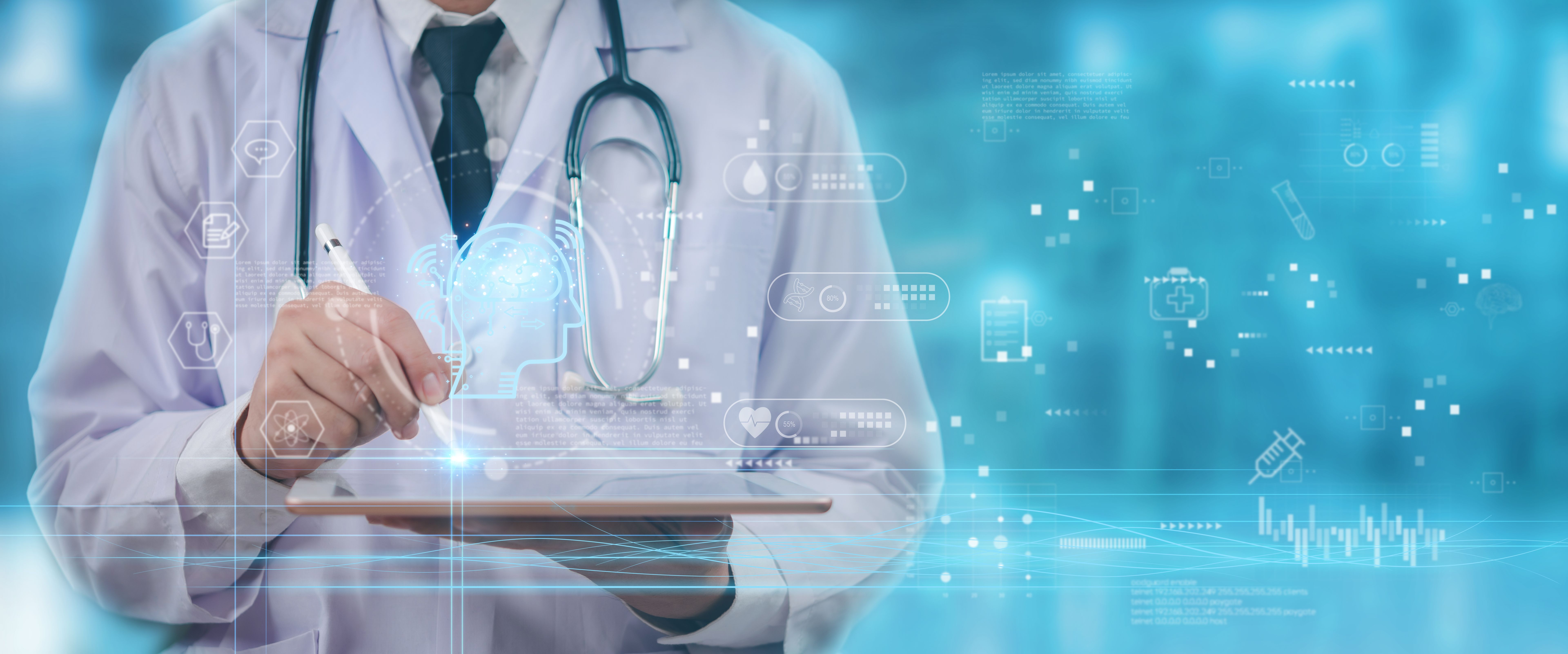
The landscape of medical education is undergoing a profound transformation, driven largely by technological advancements. The integration of digital tools is reshaping how future healthcare professionals learn and interact with medical knowledge. From virtual reality simulations to artificial intelligence-driven diagnostics, the future of medical education is both exciting and promising.
Virtual Reality and Simulation-Based Learning
One of the most groundbreaking trends is the use of virtual reality (VR) for simulation-based learning. VR allows medical students to practice procedures in a risk-free environment, enhancing their skills and confidence. These simulations provide realistic scenarios that mimic real-life medical situations, making learning immersive and effective.
Beyond VR, augmented reality (AR) is also gaining traction. AR overlays digital information onto the real world, providing students with interactive and engaging learning experiences. For instance, AR can be used in anatomy classes to display 3D models of the human body, allowing for a deeper understanding of complex structures.
Artificial Intelligence in Medical Education
Artificial intelligence (AI) is revolutionizing the way medical knowledge is accessed and utilized. AI-powered platforms can provide personalized learning experiences, adapting content to meet individual student's needs and learning styles. This ensures that each student can learn at their own pace and retain information more effectively.
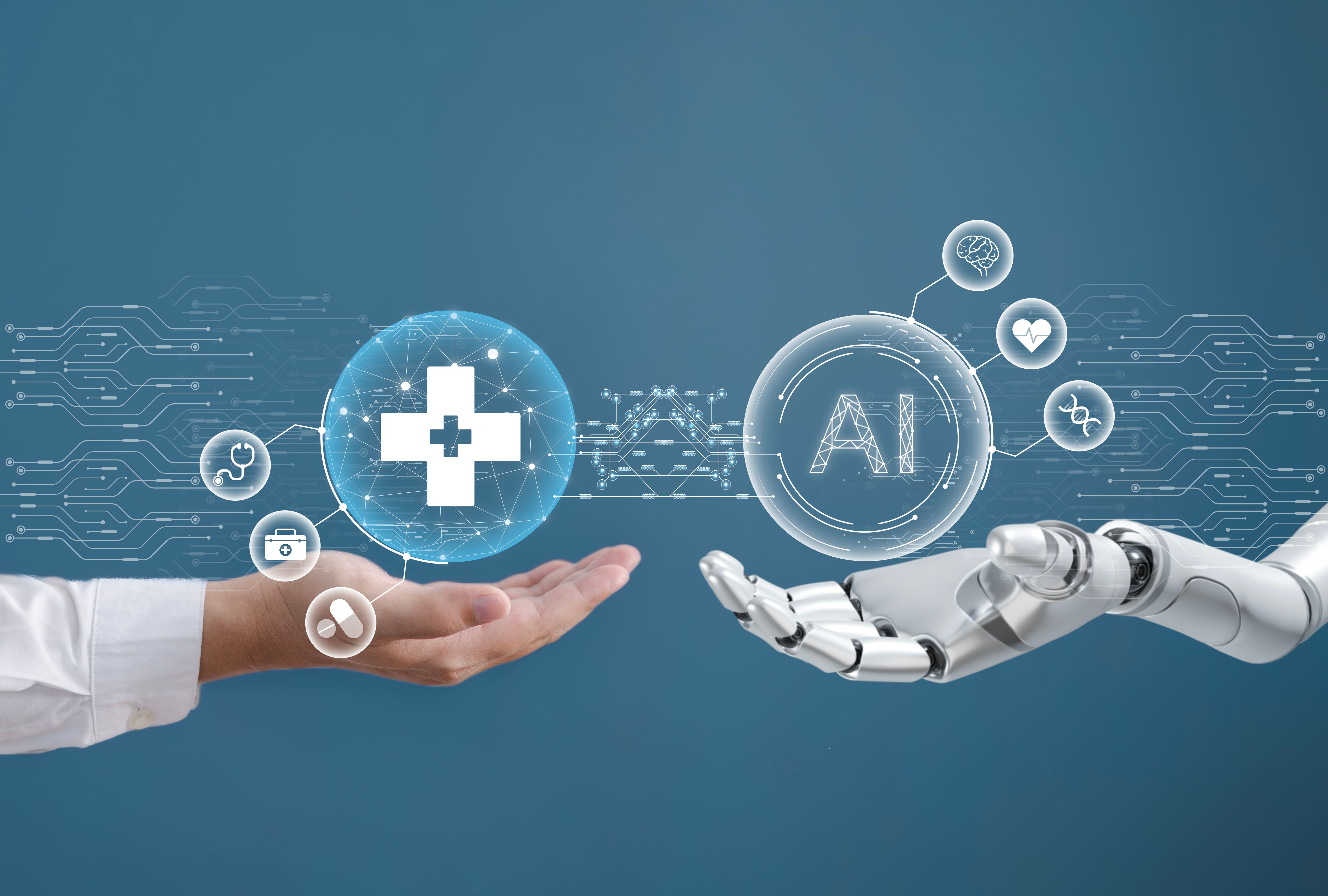
Moreover, AI can assist in diagnostics and decision-making, allowing students to understand the application of AI in real-world medical settings. As AI continues to evolve, its role in medical education will likely expand, preparing students for a future where AI is an integral part of healthcare.
Collaborative and Interdisciplinary Learning
Medical education is increasingly embracing a collaborative approach. Interdisciplinary learning, where students from different healthcare fields learn together, is becoming more common. This approach fosters teamwork, communication, and a better understanding of each other's roles in patient care.
By working together, students can develop a more holistic view of healthcare, which is crucial in today's interconnected medical landscape. Collaborative platforms and tools enable seamless interaction and information exchange, further enhancing the learning experience.

The Role of Online Learning Platforms
Online learning platforms are transforming education across all fields, and medical education is no exception. These platforms offer flexibility and accessibility, allowing students to learn anytime, anywhere. From recorded lectures to interactive modules, online platforms provide a wealth of resources that complement traditional classroom learning.
Furthermore, online platforms facilitate the sharing of global perspectives, enabling students to learn from experts worldwide. This globalization of education enriches the learning experience and prepares students to work in diverse healthcare environments.
Emphasis on Lifelong Learning
As medical knowledge continues to expand, the emphasis on lifelong learning becomes increasingly important. Continuous education is essential for healthcare professionals to stay abreast of the latest developments and advancements in the field.
Medical education programs are now focusing on instilling a culture of lifelong learning among students. By promoting critical thinking and problem-solving skills, these programs ensure that future healthcare professionals are well-equipped to adapt to changes and innovations in medicine.