Latest Trends in Medical Education: What Students Need to Know


Introduction to Modern Medical Education
Medical education is undergoing a significant transformation, driven by technological advancements and changing healthcare needs. Students entering the field today must be aware of the latest trends to stay competitive and effective in their careers.
With innovations in virtual learning, personalized education, and interdisciplinary approaches, the landscape of medical education is more dynamic than ever. Understanding these trends is crucial for prospective medical professionals.
Virtual Learning and Simulation
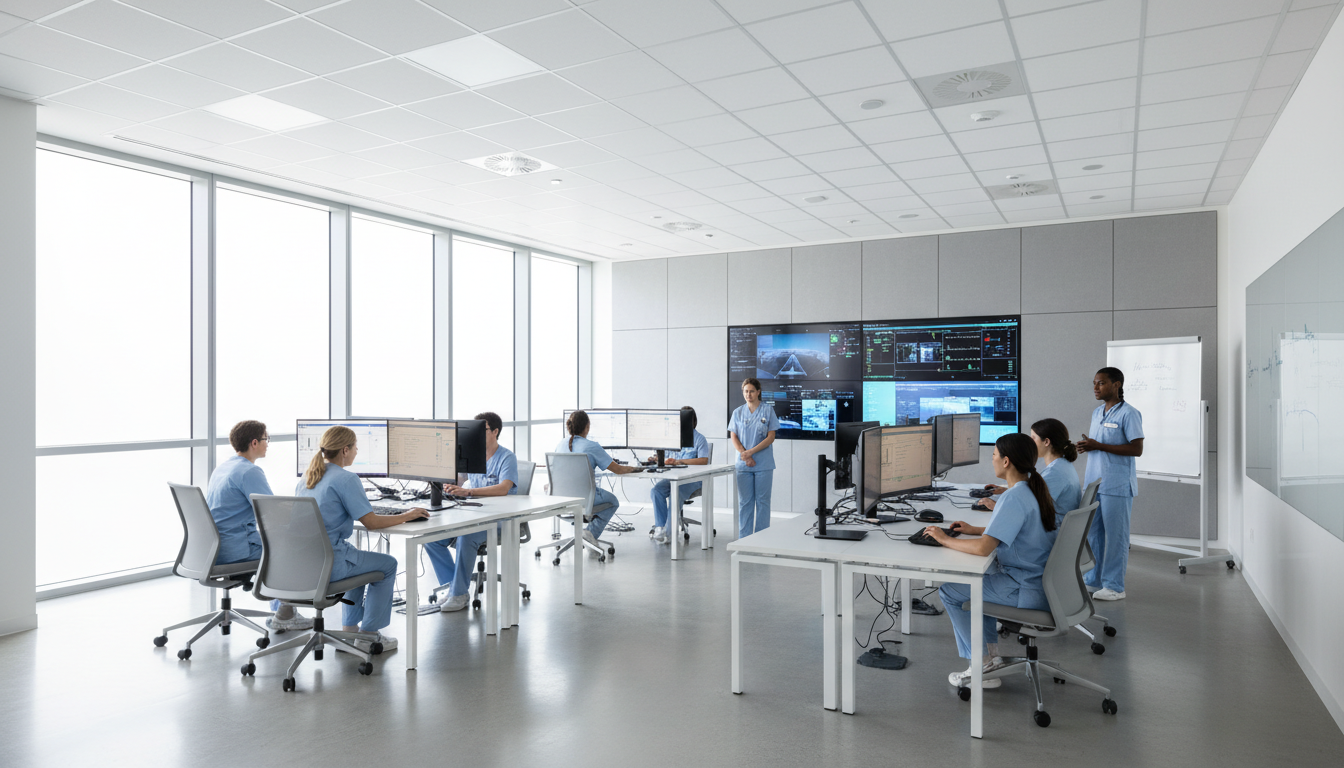
The rise of virtual learning platforms has reshaped how medical students gain knowledge. Online courses and virtual simulations allow students to practice clinical skills in a risk-free environment. These tools not only enhance learning but also make education more accessible.
Simulation-based learning has become an integral part of medical education. Through realistic scenarios, students can hone their skills, improve decision-making abilities, and prepare for real-world clinical situations without the pressure of immediate consequences.
Benefits of Simulation
- Improved confidence and competence
- Opportunities for repeated practice
- Immediate feedback and assessment
Interdisciplinary Collaboration
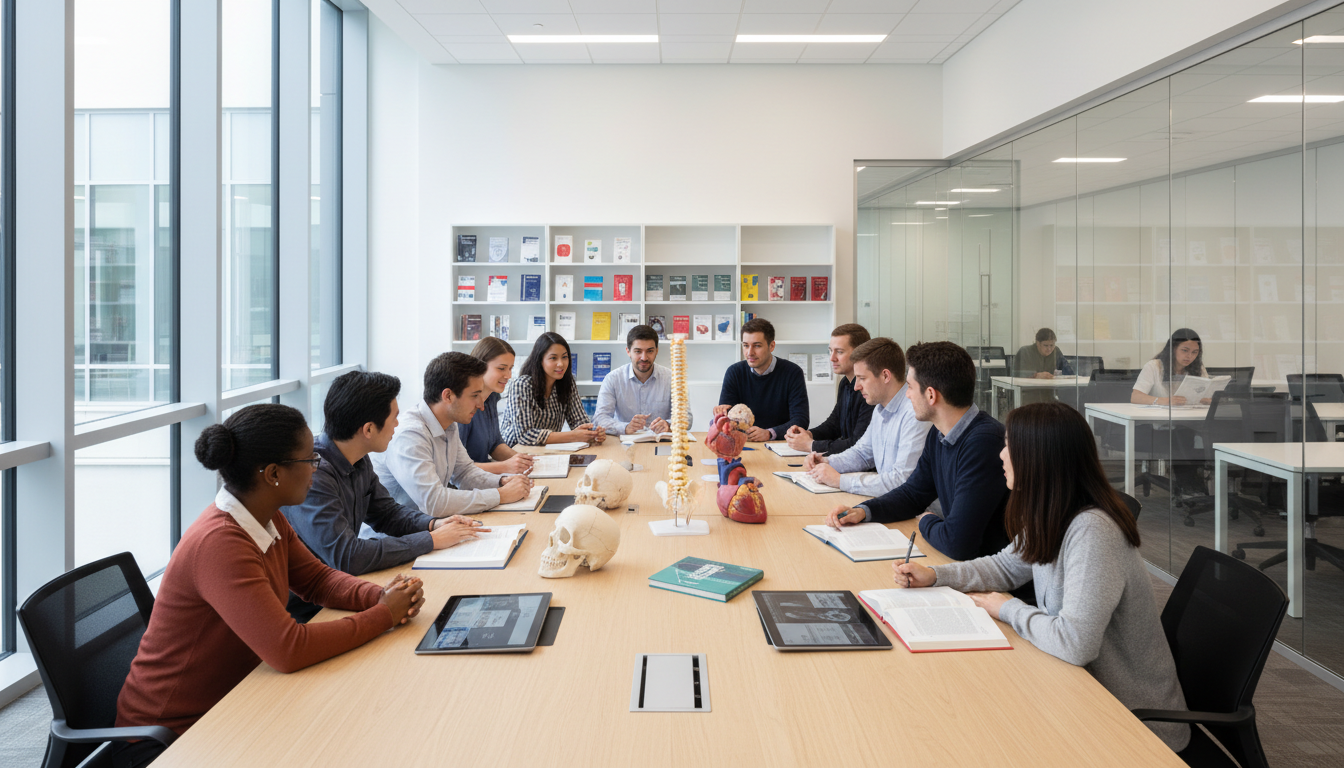
Today's healthcare challenges require a collaborative approach. Medical education is increasingly emphasizing interdisciplinary training, encouraging students to work alongside professionals from various fields such as nursing, pharmacy, and public health.
This trend fosters a team-based approach to patient care, promoting a holistic view of healthcare delivery. Students learn to appreciate diverse perspectives and develop skills necessary for effective communication and collaboration.
Key Aspects of Interdisciplinary Education
- Enhanced communication skills
- Broader understanding of healthcare systems
- Ability to work in diverse teams

Personalized Learning Paths
Personalized education is gaining traction, allowing students to tailor their learning experiences based on individual interests and career goals. Adaptive learning technologies track progress and adapt content to meet the unique needs of each student.
This approach not only boosts engagement but also helps students identify their strengths and areas for improvement. By focusing on personalized pathways, future medical professionals are better prepared to pursue specialized fields of interest.
Advantages of Personalized Learning
- Customizable study plans
- Increased motivation and engagement
- Targeted skill development
Embracing these trends in medical education prepares students to thrive in a rapidly evolving healthcare landscape. By staying informed and adaptable, they can ensure a successful and fulfilling career in medicine.