
Innovative Trends in Medical Education: What You Need to Know


Embracing Technology in Medical Education
The landscape of medical education is rapidly evolving, driven by technological advancements and innovative teaching methods. As the healthcare industry becomes increasingly complex, medical education must adapt to prepare students for the challenges they will face. One of the most significant trends is the integration of technology in the classroom, which is transforming the way medical students learn and engage with the material.
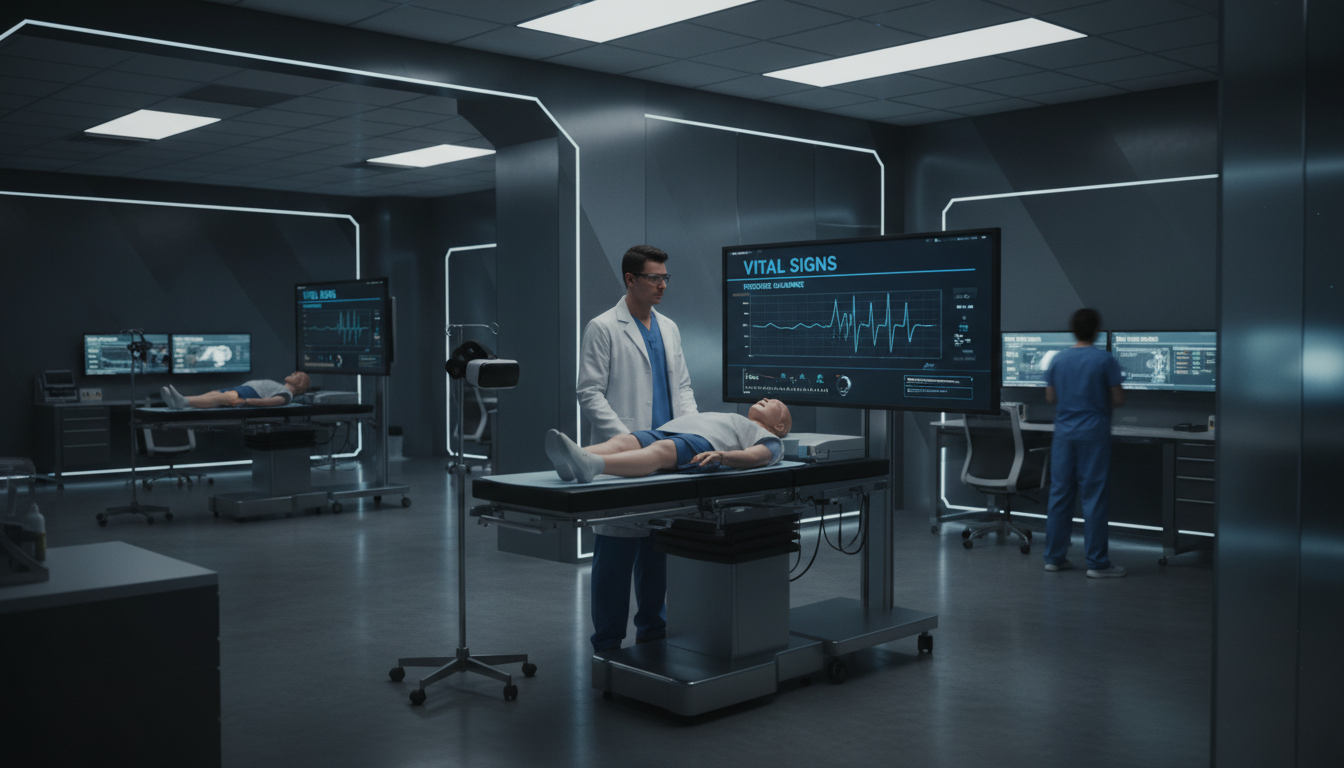
Virtual reality (VR) and augmented reality (AR) are becoming crucial tools in medical training. These technologies offer immersive experiences that allow students to practice procedures and visualize anatomical structures in a risk-free environment. This hands-on approach enhances understanding and retention, making complex concepts more accessible.
Personalized Learning Experiences
Another trend gaining traction is personalized learning. Tailoring education to meet individual needs and learning styles can significantly improve outcomes. Adaptive learning platforms use data analytics to offer customized content, ensuring that each student can progress at their own pace. This approach not only boosts knowledge retention but also increases student engagement.
In addition to adaptive platforms, personalized learning can involve one-on-one mentoring and targeted skill development. Medical schools are increasingly adopting these methods to provide a more supportive and effective educational experience.

Interprofessional Education
Interprofessional education (IPE) is becoming an essential component of medical training. By learning alongside students from other healthcare disciplines, medical students gain a broader perspective on patient care. IPE fosters collaboration and communication skills, which are critical for effective teamwork in clinical settings.
IPE programs often include simulation-based exercises and collaborative projects that encourage students to apply their knowledge in real-world scenarios. This approach helps break down silos within healthcare, promoting a more holistic approach to patient care.

The Rise of Telemedicine Training
With the growing importance of telemedicine, medical education is adapting to include training in virtual patient interactions. Students learn how to conduct remote consultations, navigate telehealth platforms, and maintain patient rapport without physical presence. This training is vital as telemedicine becomes a standard practice in healthcare delivery.
Telemedicine training also emphasizes the importance of digital literacy and cybersecurity, ensuring that future healthcare professionals can protect patient information while providing high-quality care. This comprehensive approach prepares students for the evolving landscape of healthcare.
Focus on Mental Health and Wellness
Recognizing the importance of mental health, medical education is now incorporating wellness training and support services. Programs are designed to help students manage stress, build resilience, and maintain work-life balance. These initiatives are crucial in preparing future doctors for the emotional demands of the profession.
By fostering a culture of wellness, medical schools aim to reduce burnout and promote long-term career satisfaction. This focus on mental health is an essential step in creating a healthier, more sustainable healthcare workforce.

Conclusion
The innovative trends in medical education are reshaping the way future healthcare professionals are trained. By embracing technology, personalized learning, interprofessional education, telemedicine, and mental health awareness, medical schools are preparing students to meet the demands of a dynamic and ever-changing industry. These advancements not only enhance educational outcomes but also contribute to better patient care and healthcare systems worldwide.