
Innovative Trends in Medical Education: What to Expect


Embracing Technology in Medical Education
The landscape of medical education is rapidly evolving, driven by technological advancements and innovative teaching methodologies. As we move further into the digital age, these changes are reshaping how future healthcare professionals are trained. Understanding these trends is crucial for educators, students, and institutions aiming to stay ahead.
Virtual Reality and Augmented Reality
One of the most exciting trends in medical education is the use of Virtual Reality (VR) and Augmented Reality (AR). These technologies create immersive learning environments that allow students to practice surgical procedures or visualize complex anatomical structures without the risks associated with real-life practice. This hands-on approach enhances understanding and retention.
Beyond surgery, VR and AR can simulate patient interactions, enabling students to develop crucial soft skills. As these technologies become more affordable and accessible, their role in medical education is expected to expand significantly.
Personalized Learning Through AI
Artificial Intelligence (AI) is revolutionizing personalized learning in medical education. AI-driven platforms can assess a student’s strengths and weaknesses, offering customized learning paths that cater to individual needs. This personalized approach ensures that students grasp concepts thoroughly before moving on to more complex topics.
Additionally, AI can aid in administrative tasks, allowing educators to focus more on teaching and mentorship. As AI continues to advance, its integration into education will likely become even more sophisticated.

Interdisciplinary Collaboration
Medical education is increasingly emphasizing interdisciplinary collaboration. By working alongside peers in related fields such as engineering, computer science, and business, medical students gain a broader perspective and develop a more holistic approach to healthcare challenges.
Institutions are fostering this trend by creating joint programs and collaborative projects. This approach not only enriches the learning experience but also prepares students for the collaborative nature of modern healthcare settings.
Remote Learning and Online Resources
The global shift towards remote learning has accelerated the adoption of online education resources in the medical field. From virtual lectures to interactive case studies, online platforms offer flexibility and accessibility that traditional methods may lack.
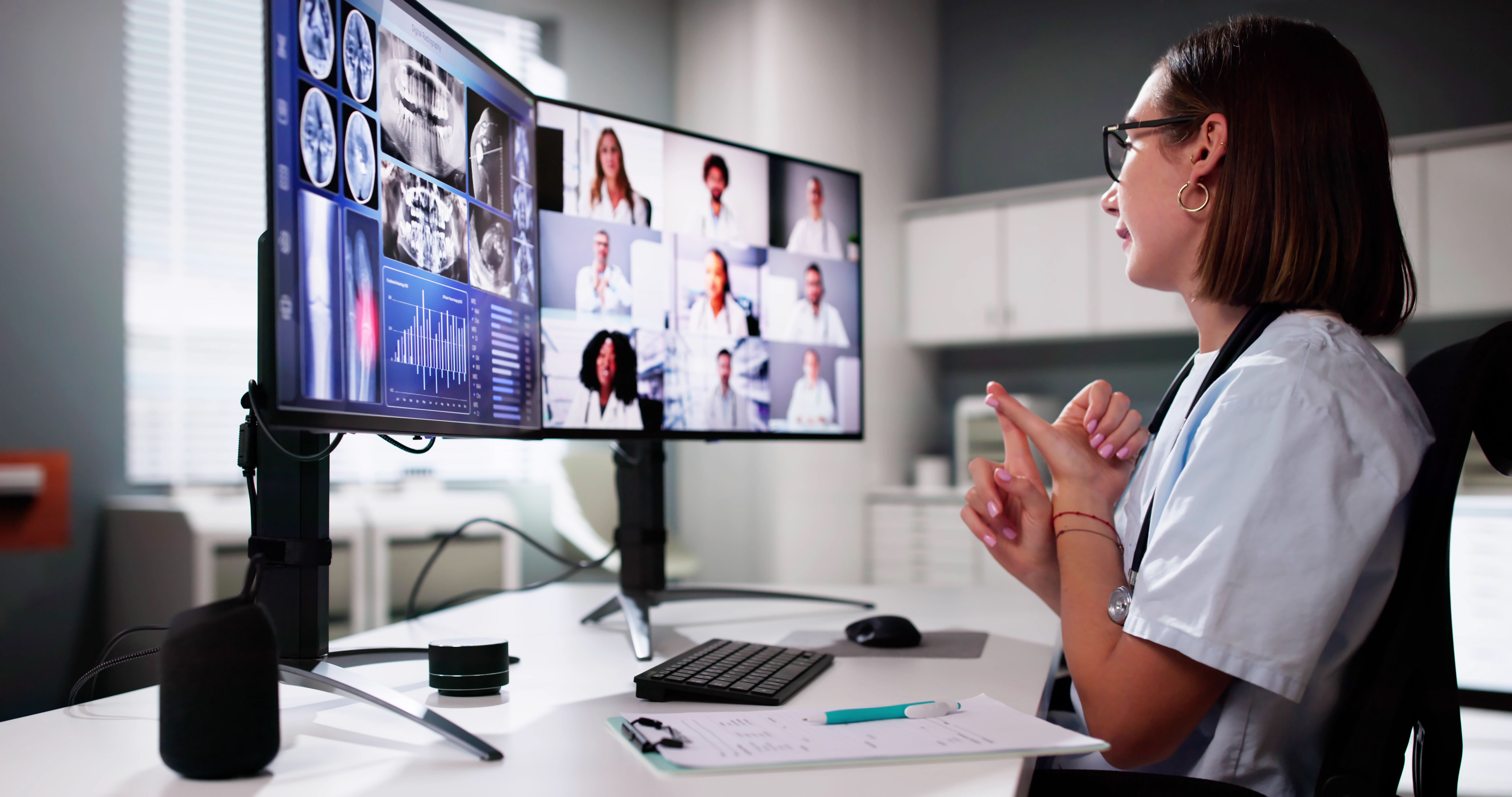
Students can access a wealth of resources, including webinars, podcasts, and online journals, enabling continuous learning beyond the classroom. This trend is likely to persist, offering students diverse learning opportunities regardless of their geographical location.
The Future of Medical Education
The integration of these innovative trends in medical education is paving the way for a more dynamic and effective learning environment. As technology continues to evolve, so too will the methods we use to educate future medical professionals. Embracing these changes will be essential for institutions aiming to prepare students for the ever-changing world of healthcare.
By staying informed and adaptable, educators and students alike can harness the potential of these innovations to enhance the quality of medical education and, ultimately, patient care.