
Innovations in Medical Education: Trends Shaping the Future


Revolutionizing Medical Education
The landscape of medical education is undergoing a transformative shift, driven by cutting-edge innovations and evolving practices. As technology continues to advance, educators are finding new ways to enhance the learning experience for students. This transformation is crucial in preparing future healthcare professionals for the challenges they will face in the medical field.
Simulation-Based Learning
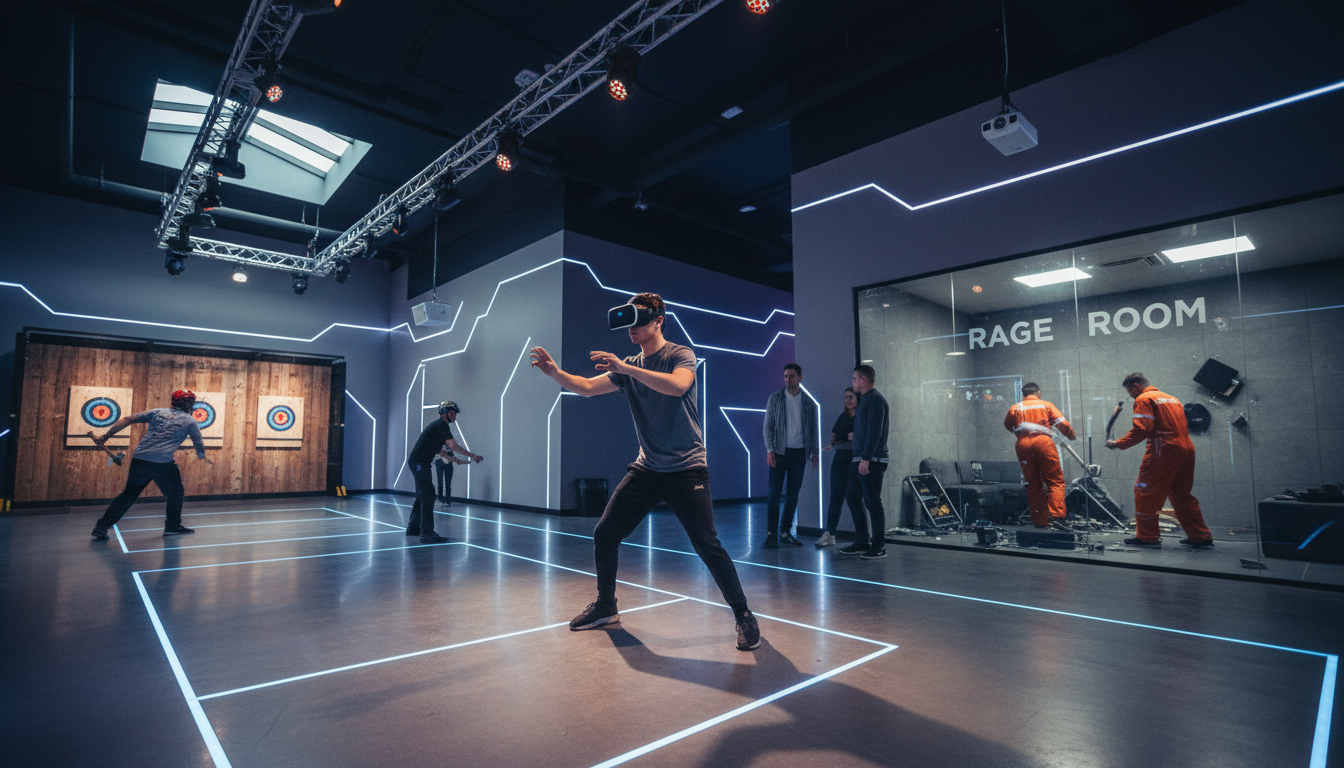
One of the most significant trends is the use of simulation-based learning. By employing high-fidelity mannequins and virtual reality, students can practice procedures and clinical skills in a risk-free environment. This approach allows for hands-on experience without the potential for harming patients, fostering both confidence and competence.
Simulation-based learning also facilitates the development of critical thinking and decision-making skills. Students are exposed to realistic scenarios that require them to think on their feet and apply theoretical knowledge in practical settings.
Interprofessional Education
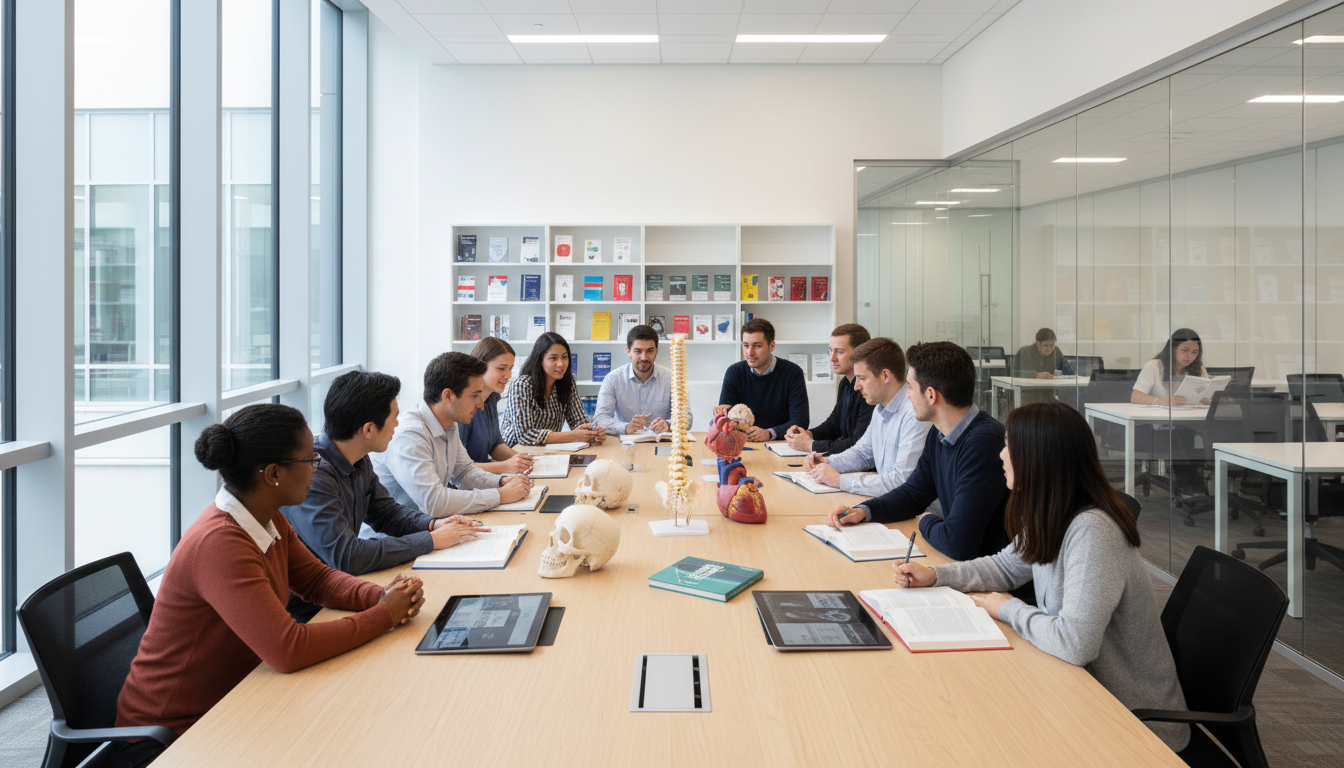
Another trend shaping the future of medical education is interprofessional education (IPE). IPE encourages collaboration among students from different healthcare disciplines, such as medicine, nursing, and pharmacy. This collaborative approach aims to improve communication and teamwork, essential components of effective patient care.
- Fosters mutual respect among healthcare professionals.
- Enhances understanding of different roles within the healthcare system.
- Prepares students for real-world, interdisciplinary teamwork.
Integration of Technology
The integration of technology into medical education is not just limited to simulations. Online platforms and digital resources are increasingly used to supplement traditional learning methods. With the rise of mobile applications and e-learning modules, students can access a wealth of information at their fingertips.

This technological shift also includes the use of artificial intelligence to personalize learning experiences. AI can analyze student performance and provide tailored feedback, helping to identify areas that need improvement and enhancing overall educational outcomes.
Emphasis on Lifelong Learning
The rapidly changing landscape of medicine necessitates a focus on lifelong learning. Medical education is no longer confined to the years spent in school. Continuous professional development is essential to keep pace with new discoveries and technologies.
Programs are increasingly incorporating strategies to instill a mindset of lifelong learning. This includes teaching students how to research, evaluate scientific literature, and apply new knowledge throughout their careers.

Globalization and Cultural Competency
As healthcare becomes more globalized, there is a growing emphasis on cultural competency in medical education. Students are being trained to understand and respect diverse cultural perspectives, which is vital for providing equitable and effective care to patients from various backgrounds.
Global health programs and international exchanges are becoming popular, offering students the opportunity to gain firsthand experience in different healthcare systems around the world. This exposure broadens their understanding and prepares them for a globalized workforce.
Conclusion
The innovations in medical education are reshaping how future healthcare professionals are trained. By embracing these trends, educational institutions are better preparing students to meet the demands of modern medicine. The focus on simulation, interprofessional collaboration, technology integration, lifelong learning, and cultural competency ensures a comprehensive, forward-thinking approach to medical education.