Exploring Innovative Trends in Medical Education


Embracing Technology in the Classroom
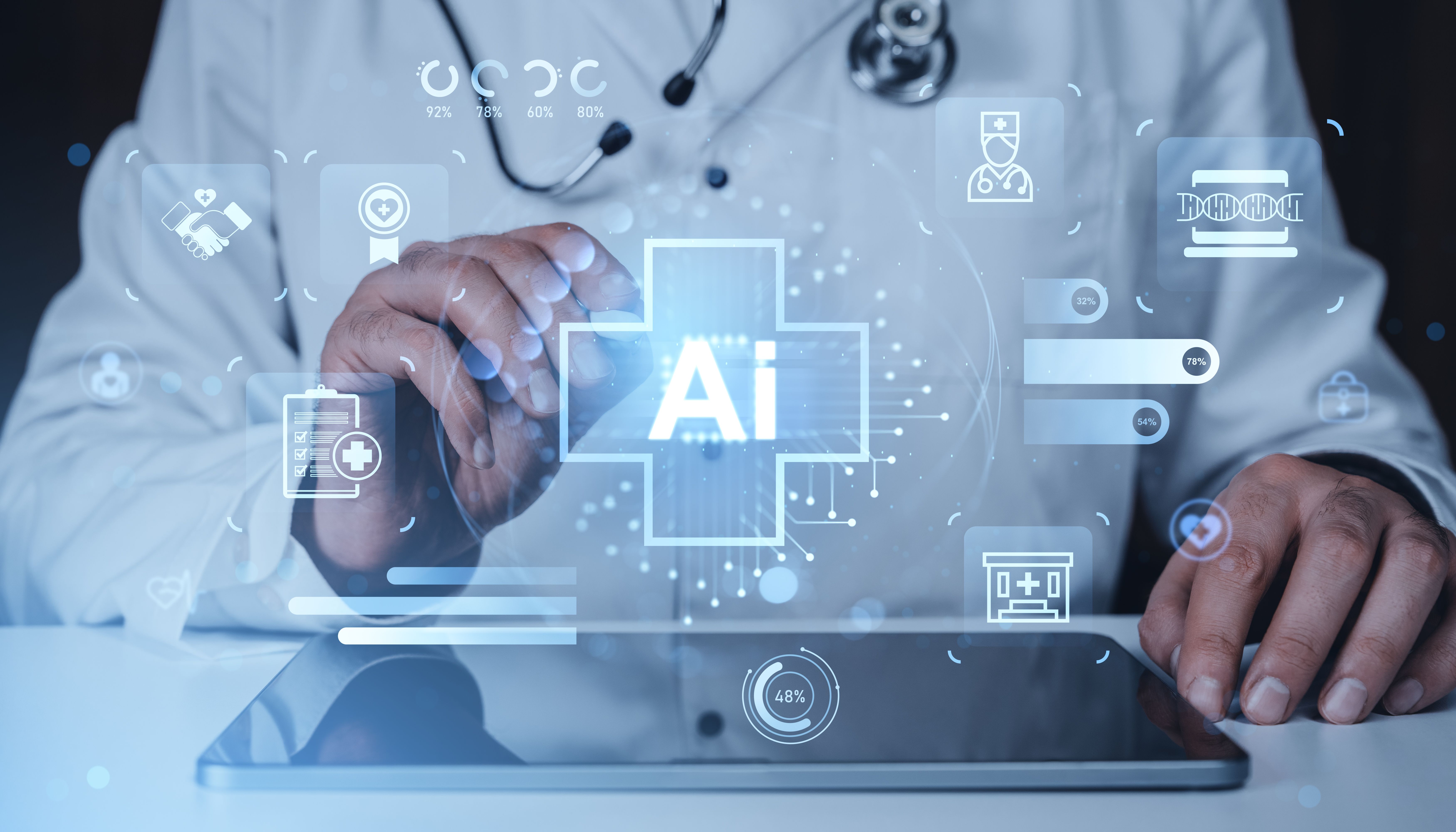
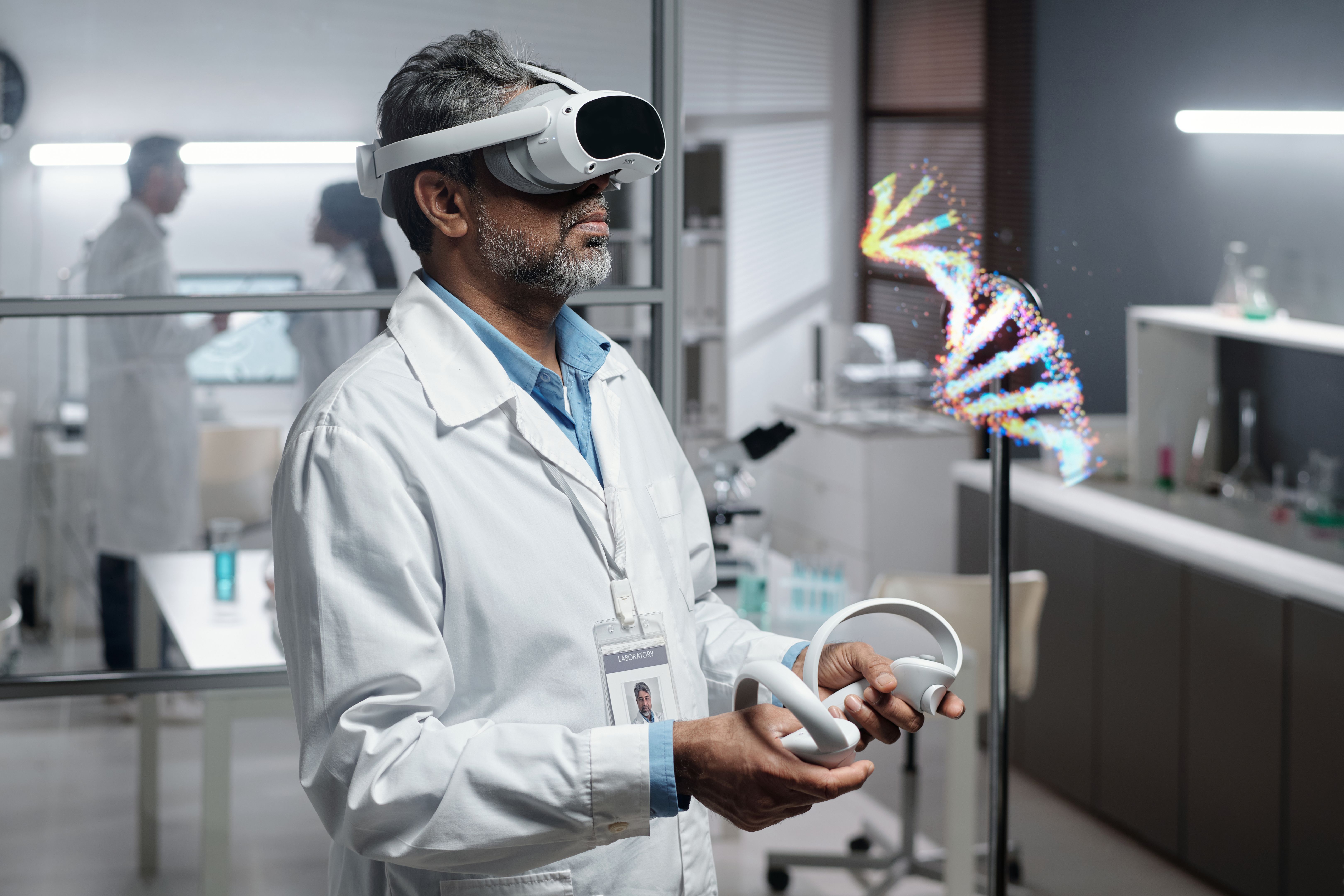
The integration of technology into medical education is transforming how future healthcare professionals learn. One of the most significant trends is the use of virtual and augmented reality. These tools offer immersive learning experiences that allow students to practice procedures in a safe, controlled environment.
Virtual reality (VR) can simulate complex surgeries, enabling students to develop their skills without the pressure of a real-life operation. Augmented reality (AR), on the other hand, overlays digital information onto the physical world, helping students understand anatomical structures in three dimensions.
Personalized Learning Experiences
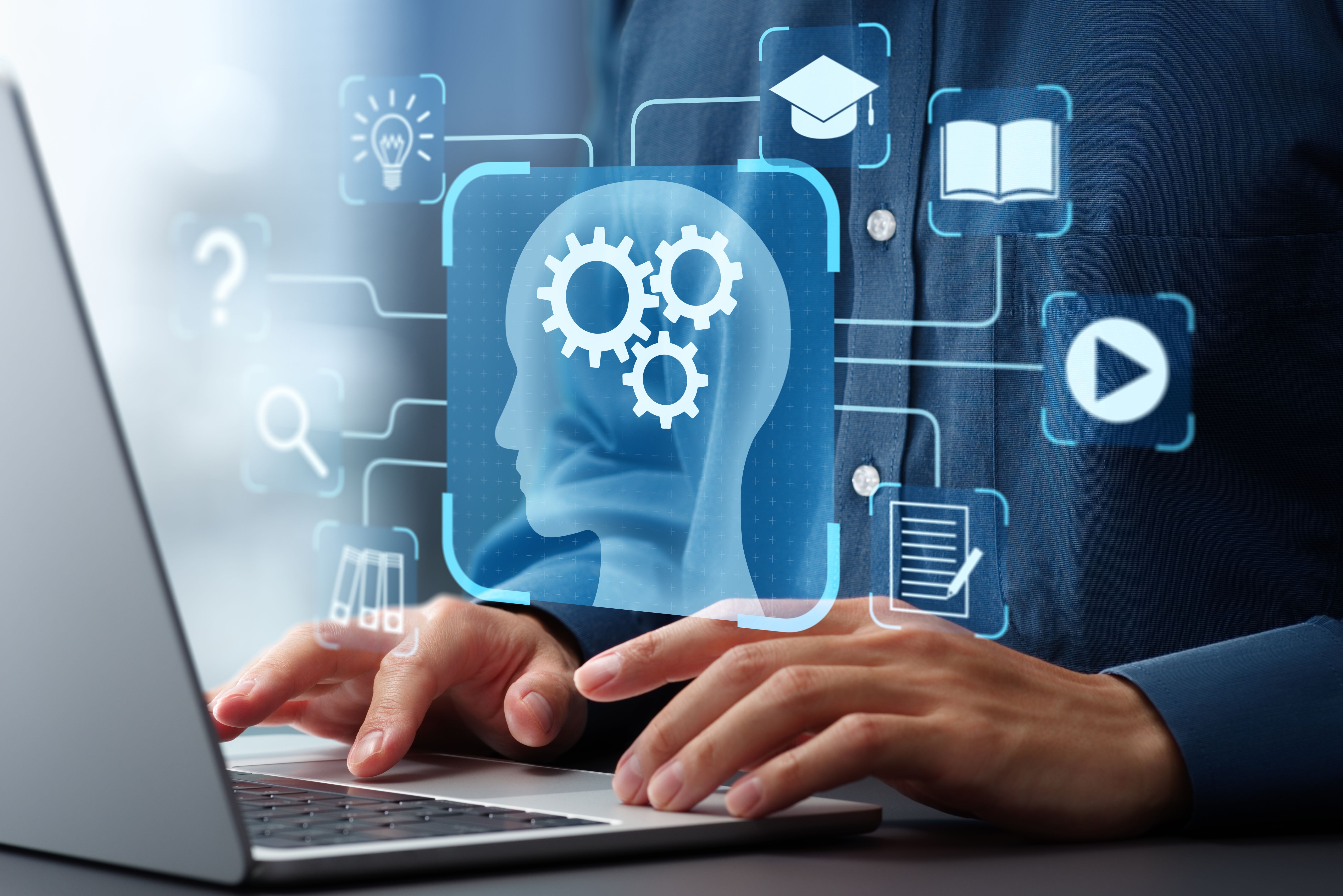
Another innovative trend is the shift towards personalized learning. With the help of artificial intelligence, educational programs can be tailored to fit the unique needs of each student. This approach allows learners to progress at their own pace, ensuring they fully grasp each concept before moving on.
Adaptive learning platforms assess a student's performance in real-time, providing instant feedback and modifying the course structure accordingly. This personalized approach not only enhances understanding but also boosts student engagement and motivation.
Collaborative Learning Platforms
Collaboration is a critical skill in healthcare, and modern education methods are fostering this through digital platforms that encourage teamwork. Online forums and discussion boards enable students from different locations to work together, share insights, and solve problems collectively.
Moreover, there are platforms designed specifically for medical collaboration, where students can engage in case-based learning. These platforms replicate real-world scenarios, helping learners understand the importance of interdisciplinary teamwork in patient care.

Simulation-Based Training
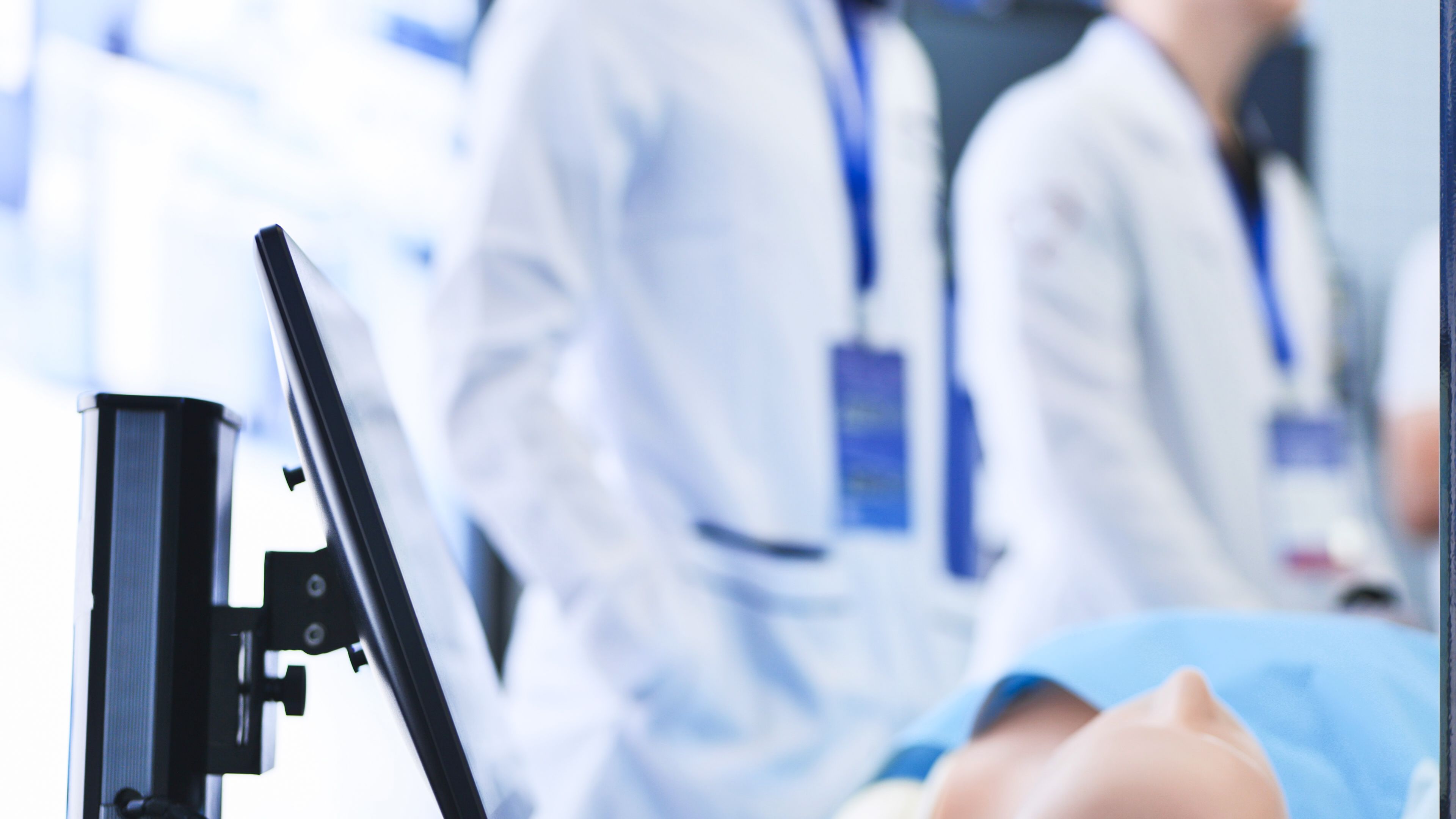
Simulation-based training has long been a part of medical education, but advancements in technology have taken it to new heights. High-fidelity simulators now offer realistic scenarios that mimic patient interactions, from routine check-ups to emergency interventions.
These simulators provide hands-on experience, allowing students to practice clinical skills and decision-making in a risk-free environment. The feedback from these simulations is invaluable, helping students refine their techniques and build confidence.
Emphasizing Soft Skills
As the medical field evolves, there is a growing emphasis on soft skills, such as communication, empathy, and teamwork. Educators are incorporating these skills into their curricula through role-playing exercises and reflective practices.
Workshops and seminars focusing on these soft skills are essential in preparing students for patient interactions and collaborative work environments. By developing these abilities, future healthcare professionals can deliver more compassionate and effective care.
Data-Driven Insights
The rise of big data in healthcare is also influencing medical education. Students are now learning how to interpret and utilize data, which is crucial for making informed clinical decisions. Data analytics courses are becoming an integral part of medical training.
By understanding data trends and patterns, students can enhance their diagnostic skills and contribute to improved patient outcomes. This data-driven approach is shaping a new generation of healthcare providers who are adept at using technology to enhance care.