
Expert Tips for Succeeding in Medical Exams


Understanding the Exam Format
Before diving into study sessions, it's crucial to understand the format of the medical exams you'll be facing. Each exam may have different sections such as multiple-choice questions, practical assessments, or essay-type questions. Knowing the structure helps you allocate your study time effectively and practice under exam conditions.
Analyze Past Papers
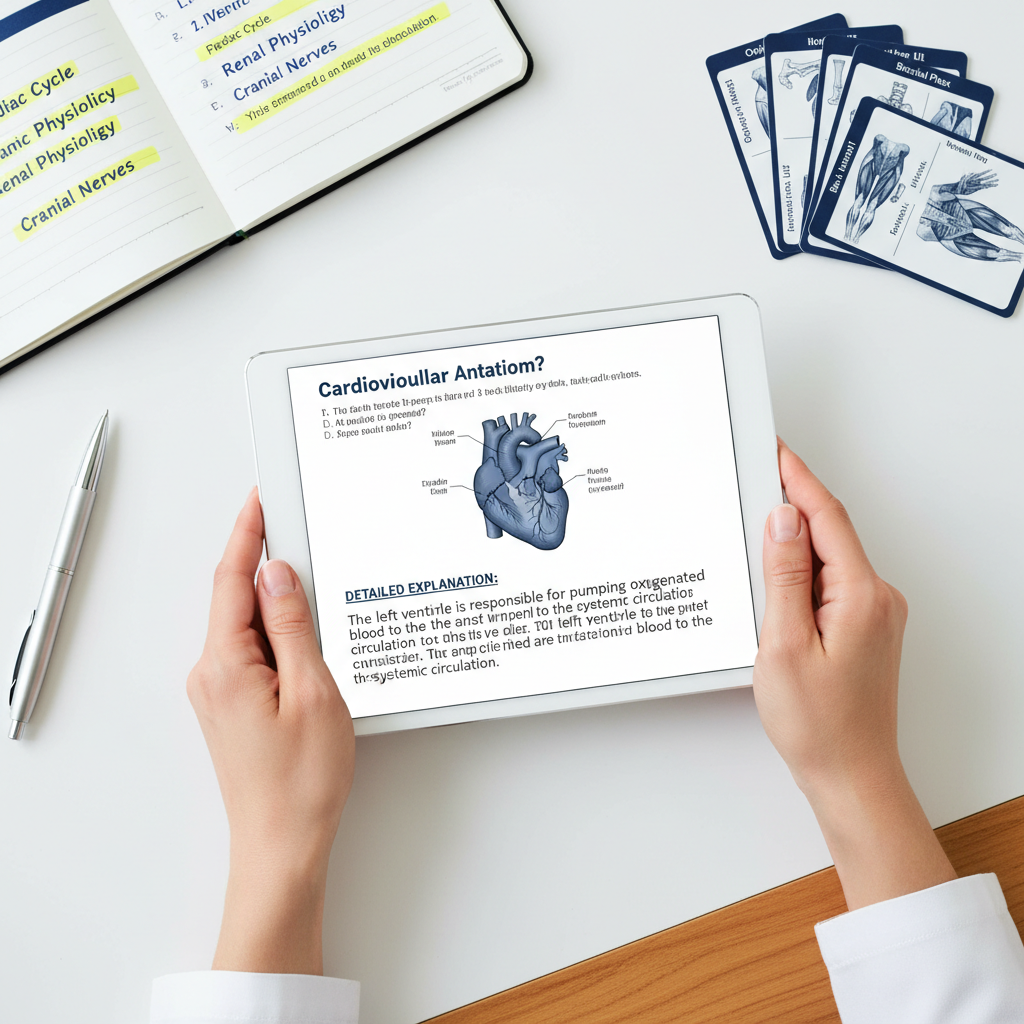
One of the most effective ways to prepare is by analyzing past papers. This helps you identify common question patterns and topics that frequently appear. Create a list of these topics and focus your revision around them. This strategy not only improves your confidence but also enhances your ability to tackle similar questions in the actual exam.
Creating a Study Plan
A well-structured study plan is essential for success. Begin by setting realistic goals and breaking down your syllabus into manageable sections. Allocate specific times for each topic and include regular breaks to maintain focus. Consistency is key, so stick to the schedule as closely as possible.
Utilize Active Learning Techniques
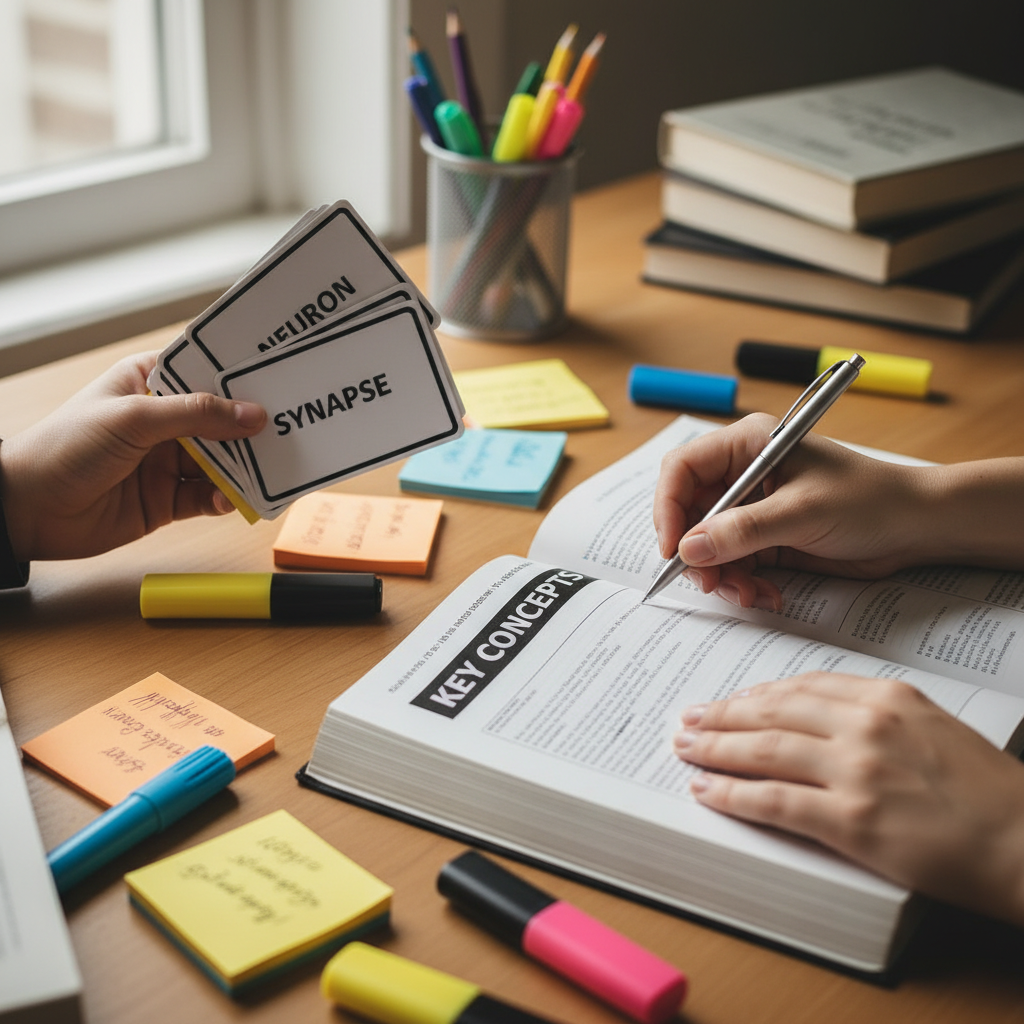
Active learning techniques, such as self-quizzing and teaching concepts to others, can significantly boost retention. Instead of passively reading textbooks, engage with the material by creating flashcards, summarizing information in your own words, or forming study groups. These methods encourage deeper understanding and long-term memory.
Maintaining a Healthy Lifestyle
Physical and mental well-being are crucial during exam preparation. Ensure you get adequate sleep, eat a balanced diet, and incorporate regular exercise into your routine. These habits enhance concentration, reduce stress, and improve overall cognitive function.

Stress Management Techniques
Exams can be stressful, but managing that stress is vital. Practice relaxation techniques such as meditation, deep breathing exercises, or yoga. These practices can help calm your mind and improve focus. Remember, taking time to relax is as important as active studying.
Day of the Exam
On the day of the exam, ensure you have everything you need ready the night before. Arrive at the venue early to avoid any last-minute rush. Take deep breaths and stay calm during the exam. Read each question carefully and manage your time wisely.
Post-Exam Reflection
After your exam, take time to reflect on what went well and what could be improved. This reflection is valuable for future exams. Discuss questions with peers to gain different perspectives, but avoid dwelling on mistakes. Use this experience to enhance your preparation for the next set of exams.