
Expert Insights: Preparing for Medical School Exams


Understanding the Exam Structure
Preparing for medical school exams starts with understanding their structure. These exams often include a mix of multiple-choice questions, practical assessments, and essay questions. Knowing the format helps you tailor your study plan effectively. Begin by reviewing past papers and identifying common themes or recurring questions.
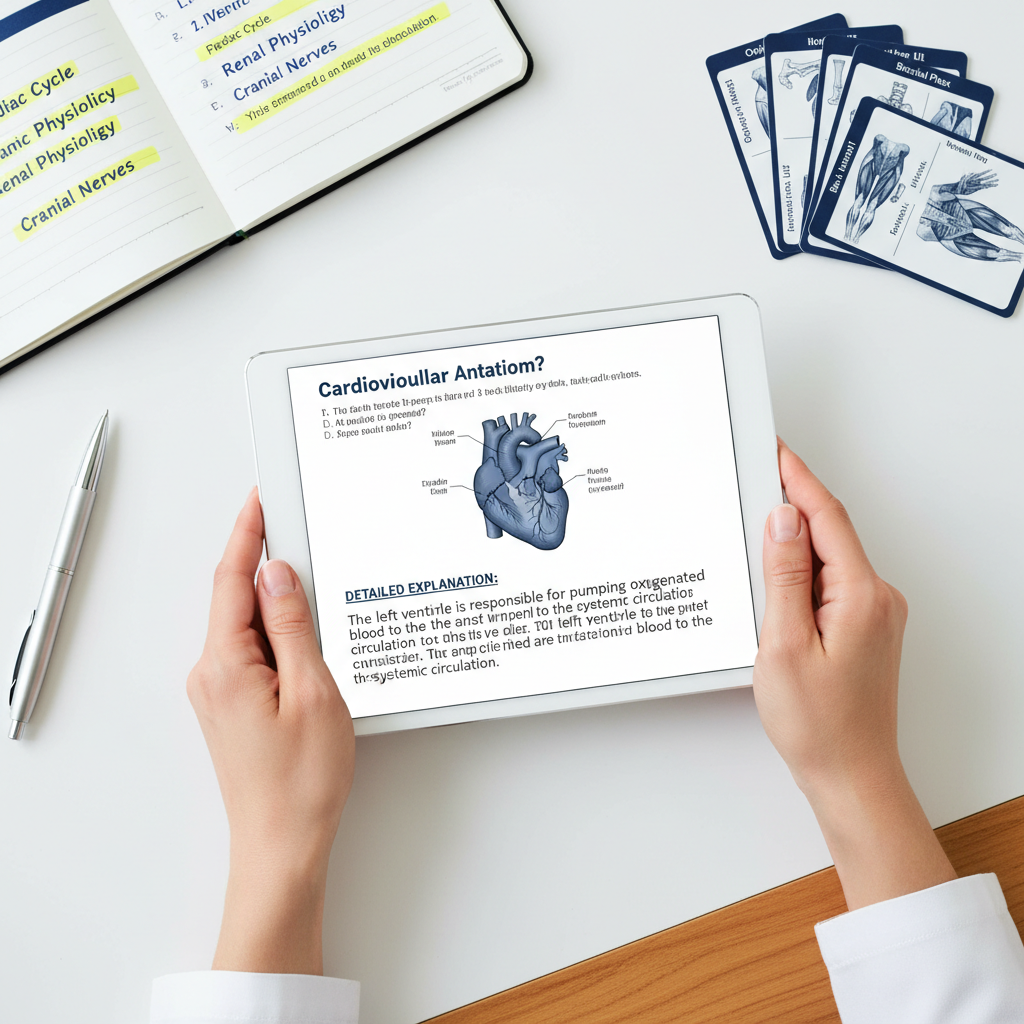
It’s crucial to prioritize subjects based on their weight in the exam. Allocate more time to areas that carry more marks. This strategic approach ensures that you maximize your scoring potential across different sections.
Basic Sciences
The basic sciences form the foundation of medical knowledge. Subjects like anatomy, physiology, and biochemistry require detailed understanding. Create a study schedule that allows for regular revision of these subjects. Use visual aids such as diagrams and flowcharts to enhance memory retention.
Group study sessions can be particularly beneficial for basic sciences. Discussing complex topics with peers can provide new insights and reinforce understanding. Additionally, teaching others is a powerful way to solidify your own knowledge.
Clinical Skills Preparation
Clinical skills are a vital component of medical exams. These assessments typically involve patient interaction and diagnostic skills. Practice is key to excelling in this area. Participate in clinical rotations and seek feedback from mentors to improve your practical abilities.

Develop a checklist of essential clinical skills and track your progress. This methodical approach helps ensure that you cover all necessary areas before the exam. Don’t hesitate to ask for additional practice sessions in areas where you feel less confident.
Pathology
Pathology is another critical subject that requires attention. Focus on understanding disease mechanisms and their clinical presentations. Utilize textbooks, online resources, and pathology atlases to deepen your comprehension. Regularly quiz yourself to assess your readiness.
Pathology often involves memorization of complex information. Mnemonics can be a useful tool to remember intricate details. Additionally, case studies can provide practical examples that make theoretical knowledge more relatable.
Effective Study Techniques
Adopting effective study techniques is essential for success. Active learning methods, such as summarizing information or teaching others, can significantly enhance retention. Incorporating diverse resources like videos, podcasts, and apps can also cater to different learning styles.

Time management is crucial. Break your study sessions into manageable chunks and take regular breaks to maintain focus. The Pomodoro Technique, where you study for 25 minutes and then take a 5-minute break, can improve productivity.
Mental and Physical Well-being
Maintaining your mental and physical well-being is just as important as academic preparation. Stress management techniques, such as mindfulness and exercise, can improve concentration and reduce anxiety. Ensure you get adequate sleep and nutrition to keep your mind and body in peak condition.
Remember, preparing for medical school exams is a marathon, not a sprint. Consistency and perseverance are key. By following these expert insights, you’ll be well-equipped to tackle your exams with confidence and poise.