
A Comprehensive Guide to Medical Education in Portugal


Medical education in Portugal has gained recognition for its comprehensive approach and high standards. Aspiring doctors can expect a rigorous curriculum designed to prepare them for the challenges of modern healthcare.

Overview of Medical Education
Portugal offers a robust medical education system, primarily delivered through public universities. The journey begins with a six-year integrated Master's degree in Medicine, which combines undergraduate and postgraduate studies.
The curriculum is divided into preclinical and clinical phases, emphasizing theoretical knowledge in the initial years and practical experience in the later stages. This structure ensures students are well-prepared to enter the medical field.
Admission Process
Admission to medical schools in Portugal is highly competitive. Prospective students must excel in their secondary education and achieve strong scores in national exams. These scores play a crucial role in the selection process.

Additionally, some universities may require interviews or additional assessments to evaluate candidates' suitability for the program. It is essential for applicants to thoroughly research each institution's specific requirements.
Curriculum and Training
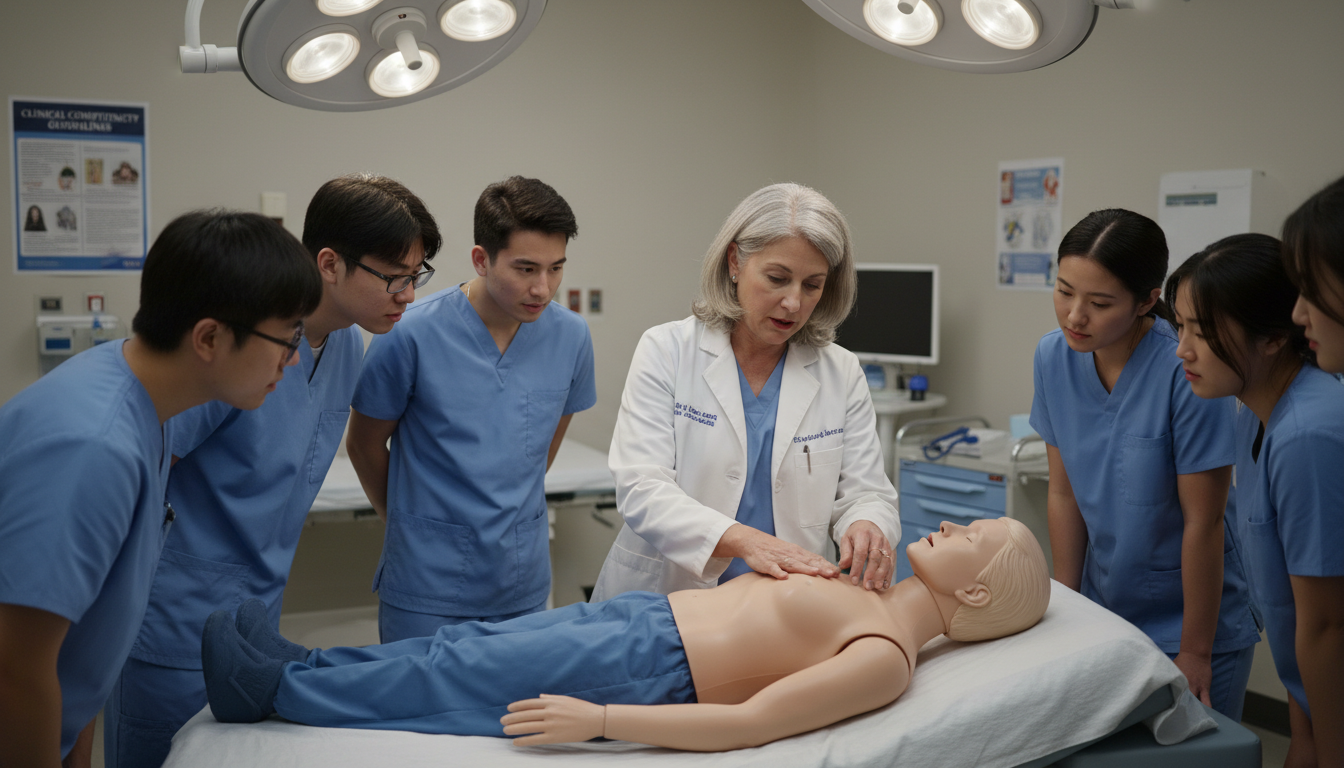
The medical curriculum in Portugal is designed to provide a comprehensive education, covering essential medical sciences and clinical practices. Students engage in a variety of learning methods, including lectures, seminars, and hands-on training.
During the clinical years, students gain practical experience in hospitals and healthcare settings. This exposure is critical for developing the skills needed to practice medicine effectively.
Specialization and Residency
After completing the integrated Master's degree, graduates must undergo a residency program to specialize in a particular field of medicine. Residency programs in Portugal are well-structured and provide in-depth training in chosen specialties.
These programs typically last between four to six years, depending on the specialization. Graduates are required to pass a national examination to obtain their medical license and practice as specialists.
Opportunities for International Students
Portugal's medical schools welcome international students, offering programs in English to accommodate those from non-Portuguese speaking countries. International students must meet specific entry requirements, which may include language proficiency tests.

Studying in Portugal provides a unique opportunity to experience a diverse culture and gain a globally recognized medical education. The country's commitment to high-quality medical training makes it an attractive destination for aspiring doctors worldwide.
Conclusion
Embarking on a medical career in Portugal offers a blend of rigorous academic training and practical experience. With its competitive admission process, comprehensive curriculum, and specialization opportunities, Portugal is an excellent choice for those seeking a reputable medical education.